
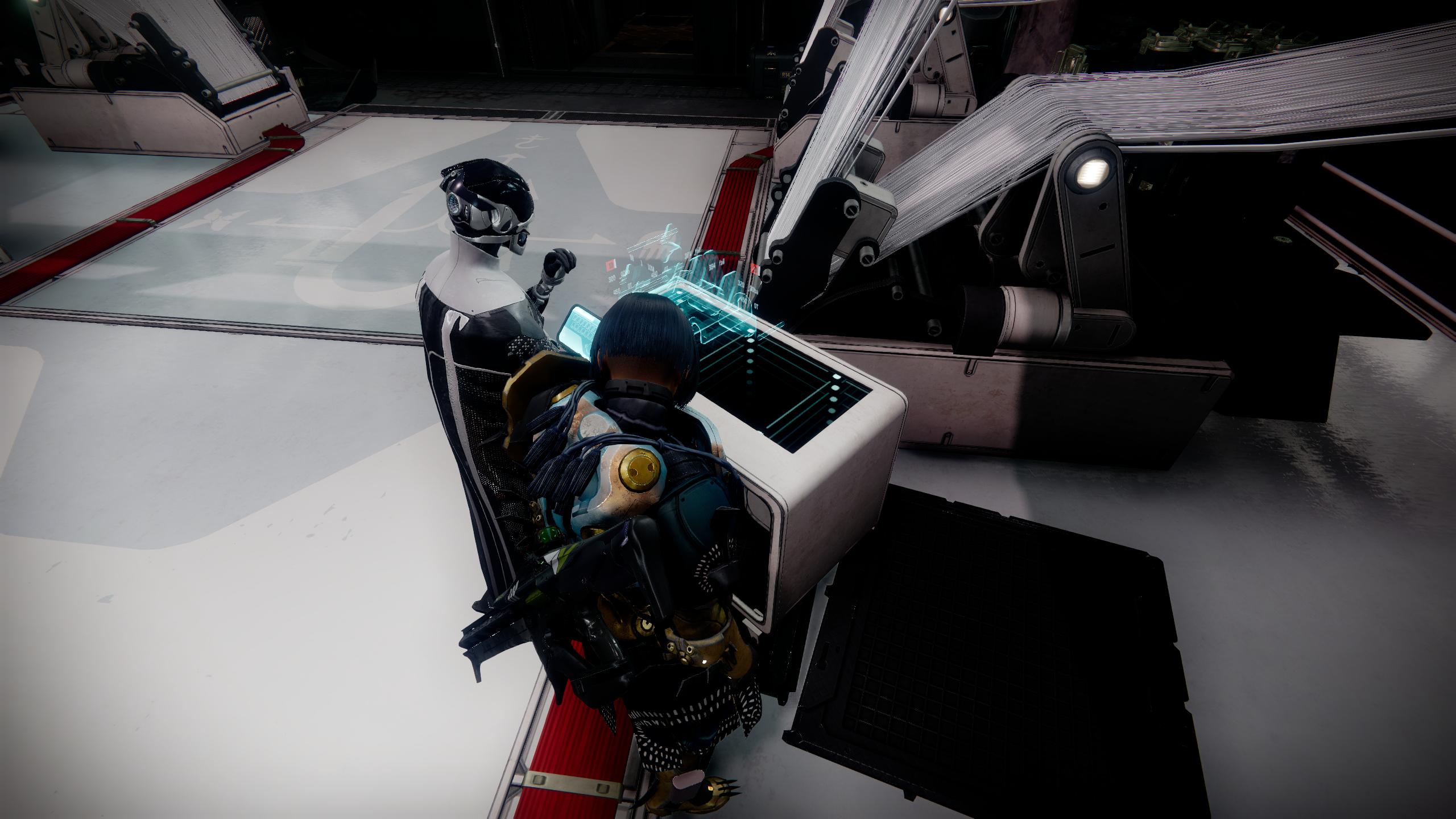
Destiny 2 has come a long way since its launch, evolving through numerous expansions, seasonal updates, and content drops. At the heart of this evolution is a constant stream of community feedback. Bungie, the developers behind Destiny 2, has embraced its player base as a vital part of the game’s development process, actively listening to concerns, suggestions, and praise. This feedback loop has allowed the game to improve in ways that directly reflect the needs and desires of its community. In this article, we’ll explore how community feedback has shaped Destiny 2’s development and the ways it continues to influence the game’s future.
The Power of Community Input
When Destiny 2 was first released, its community quickly made their voices heard, expressing their thoughts on everything from progression systems to the game’s economy. Bungie has been keen to engage with its players, knowing that the heart of Destiny 2’s success lies in the satisfaction of its community. Over the years, Destiny 2 has incorporated feedback from the player base to make meaningful adjustments, balancing the game’s design with the needs of its diverse audience.
Community Engagement: Bungie utilizes multiple channels to listen to player feedback, including social media platforms, community forums, surveys, and in-game feedback systems. By interacting with fans directly, developers gain valuable insight into what players love about the game and where improvements are needed. For example, after the *Forsaken* expansion, Bungie launched a series of surveys to gauge player satisfaction with the new content, ensuring that they understood what resonated most with the community.
Iterative Development: The feedback from the community is not just a one-time event. Bungie has made community involvement a continuous part of the development cycle. This iterative process allows the game to evolve in real-time, with regular updates that reflect ongoing player concerns. This commitment to ongoing feedback is one of the reasons why Destiny 2 remains so relevant in an ever-changing gaming landscape.
Addressing Player Concerns: Major Changes Driven by Feedback
Over the years, Destiny 2 has undergone significant changes as a direct response to community feedback. Some of these changes have been monumental, altering the gameplay experience for millions of players. Bungie’s ability to adapt based on feedback has been crucial in keeping the player base engaged and satisfied.
Microtransactions and Eververse: One of the first major player complaints after the launch of Destiny 2 was the game’s aggressive use of microtransactions. Players were upset about the prominence of the Eververse Store, which sold cosmetic items for real money and disrupted the game’s balance. The backlash was swift and vocal, leading Bungie to make several changes. Bungie took the community’s concerns seriously and reworked the microtransaction system to focus on cosmetic-only items, removed pay-to-win elements like paid XP boosts, and made the Eververse Store feel more integrated with the game’s core experience.
The Curse of Sunsetting: Another example of how community feedback shaped Destiny 2’s development was the controversial “sunsetting” system, which was introduced in 2020. Sunsetting was a mechanic that limited the usefulness of older weapons, forcing players to chase after newer gear in order to stay competitive. The community backlash was intense, with players voicing their displeasure at having to continually replace their favorite weapons. Bungie responded by reversing the sunsetting decision, signaling their commitment to listening to player feedback and valuing the community’s input on important gameplay changes.

Weapon Balance and Sandbox Changes: Destiny 2 has had its fair share of balance adjustments, with Bungie frequently making tweaks to weapons, abilities, and subclasses based on player feedback. Whether it’s buffing underused weapons, tweaking exotic perks, or adjusting the effectiveness of certain abilities, Bungie takes player input into account when refining the game’s balance. For instance, the *Shadowkeep* expansion introduced changes to the Destiny 2 weapon sandbox, giving players the opportunity to provide input through testing, which ultimately led to the rebalancing of many weapons for both PvE and PvP content.
Community-Led Content Creation
Bungie’s collaboration with the Destiny 2 community goes beyond just gameplay balance and bug fixes. The player base has also played an instrumental role in shaping the content of the game through fan-created art, videos, lore theories, and even gameplay suggestions. Destiny 2’s expansive world has given rise to a passionate and creative community that has helped to build the game’s identity over the years.
Player-Created Emblems and Cosmetics: Bungie often highlights community-driven content in Destiny 2, including emblems, cosmetic designs, and other visual elements inspired by fan creations. Players have submitted their own designs to be featured in the game, with some even becoming official rewards for community events or achievements. This collaboration creates a sense of ownership within the community and ensures that Destiny 2 feels like a game built not just by developers, but by its players as well.

Lore and Fan Theories: The Destiny 2 community is known for its deep dives into the game’s lore, creating theories, stories, and analysis that enrich the game’s narrative. Bungie has actively acknowledged and incorporated community theories into their own storytelling, creating a feedback loop between the developers and the players. The *Dawning* event, for example, often includes player-created lore and elements that align with fan-created content, showcasing the powerful connection between the community and the developers.
The Future of Destiny 2: Continued Collaboration and Growth
Looking ahead, the future of Destiny 2 seems bright, with Bungie continuing to embrace the role of community feedback in shaping the game’s evolution. The ongoing dialogue between the developers and players ensures that Destiny 2 remains responsive to player needs and that the game will continue to grow in exciting new directions.
Expansions and Seasons: The seasonal model, where content is regularly updated, is one way Bungie keeps the community engaged and allows for quick responses to player feedback. Future expansions are expected to bring even more narrative depth, new gameplay mechanics, and community-driven content, all while remaining deeply rooted in the feedback loop that has made Destiny 2 such a collaborative success.

Community Integration in Design: As Destiny 2’s player base continues to expand, Bungie has shown that they are willing to continue integrating feedback into their design process. Whether it’s through user-generated content, balance changes, or the introduction of new features, the continued engagement between Bungie and its community is essential to the game’s long-term success. The ongoing focus on feedback ensures that Destiny 2 will remain a game that resonates with its players, evolving and improving with every new season and expansion.
Conclusion: A Game Built by Its Players
Destiny 2 has proven that community feedback is not just an afterthought—it is an integral part of the game’s development. Bungie’s responsiveness to player concerns and suggestions has allowed Destiny 2 to thrive, constantly evolving with each season and expansion. The active involvement of the player base has helped shape the game’s balance, narrative, and content, ensuring that it remains a vibrant and engaging experience for all types of players. As Destiny 2 continues to grow, the relationship between Bungie and its community will remain central to its future success, with players at the heart of the game’s ongoing evolution.
Home